Description
Find this Dom Pérignon 1975 price at Arden Fine Wines.
Contact us here with any queries.
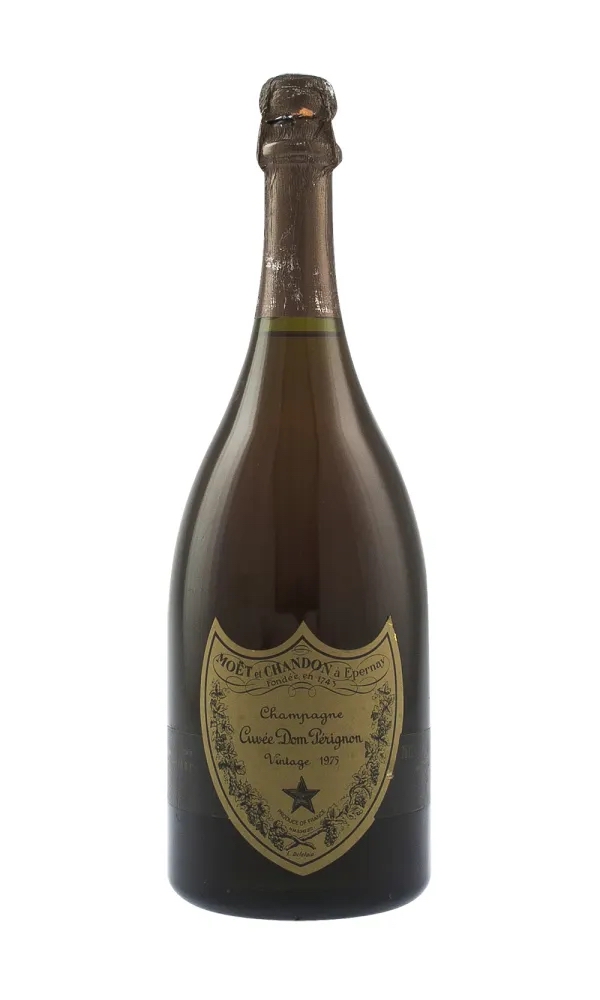
Dom Pérignon 1975 price
On paper, 1975 was not an ideal vintage.
Spring was cold and budbreak late, though flowering took place in fine conditions.
The summer was warmer than usual, with a few August storms.
Harvest began on 29 September and had to be completed fairly rapidly, as the weather soon worsened.
A small crop produced wines high in acidity, which gave many 1975 Champagnes the structure for long ageing.
Until 1969, the wine would have been fermented in wood, but by 1975 it was all fermented in steel tanks.
The DP style has always placed an emphasis on reduction – that is, protection from oxygen and thus from oxygenation, as the cellarmasters want wines that age well.
The final blend spends at least six years on the lees before being disgorged.
Now over 50 years old, it has prominent aromas of brioche, toasted hazelnut, honey, and truffle, with developing tertiary notes like coffee and toffee.
On the palate, it has a silky, rounded texture with vibrant acidity that drives a long, crisp finish.
Please note that Champagne this old doesn’t always retain any bubbles…!
It will have a creamy character because the original effervescence has softened over time.
Dom Pérignon is only released in vintages that are considered outstanding – the 1975 has always been recognised as one of the very finest.
Dom Pierre Pérignon
In 1668, Dom Pierre Pérignon, a Benedictine monk, took on the role of procurator at the Abbey of Hautvillers.
At a time of empirical methods, Dom Pierre Pérignon developed precise techniques for viticulture and winemaking.
Furthermore, Father Pérignon modernised the abbey, restored its vineyard, and aimed to create “the best wine in the world.”
As a result, the “wine of Father Pérignon” became one of the most sought-after wines in France.
Moreover, servers at Versailles presented it, and Louis XIV enjoyed it.
Profoundly inspired, he revolutionised winemaking with standards that remain at the heart of all champagne wines today.
Ultimately, Dom Pierre Pérignon’s legacy continues to nourish the creative vision of Dom Pérignon.
A brief history of Dom Pérignon
A precursor to Dom Pérignon appeared in 1935 as a one-off gift of no particular style or, indeed, name.
The producers presented it in the same replica 18th-century bottle we know today.
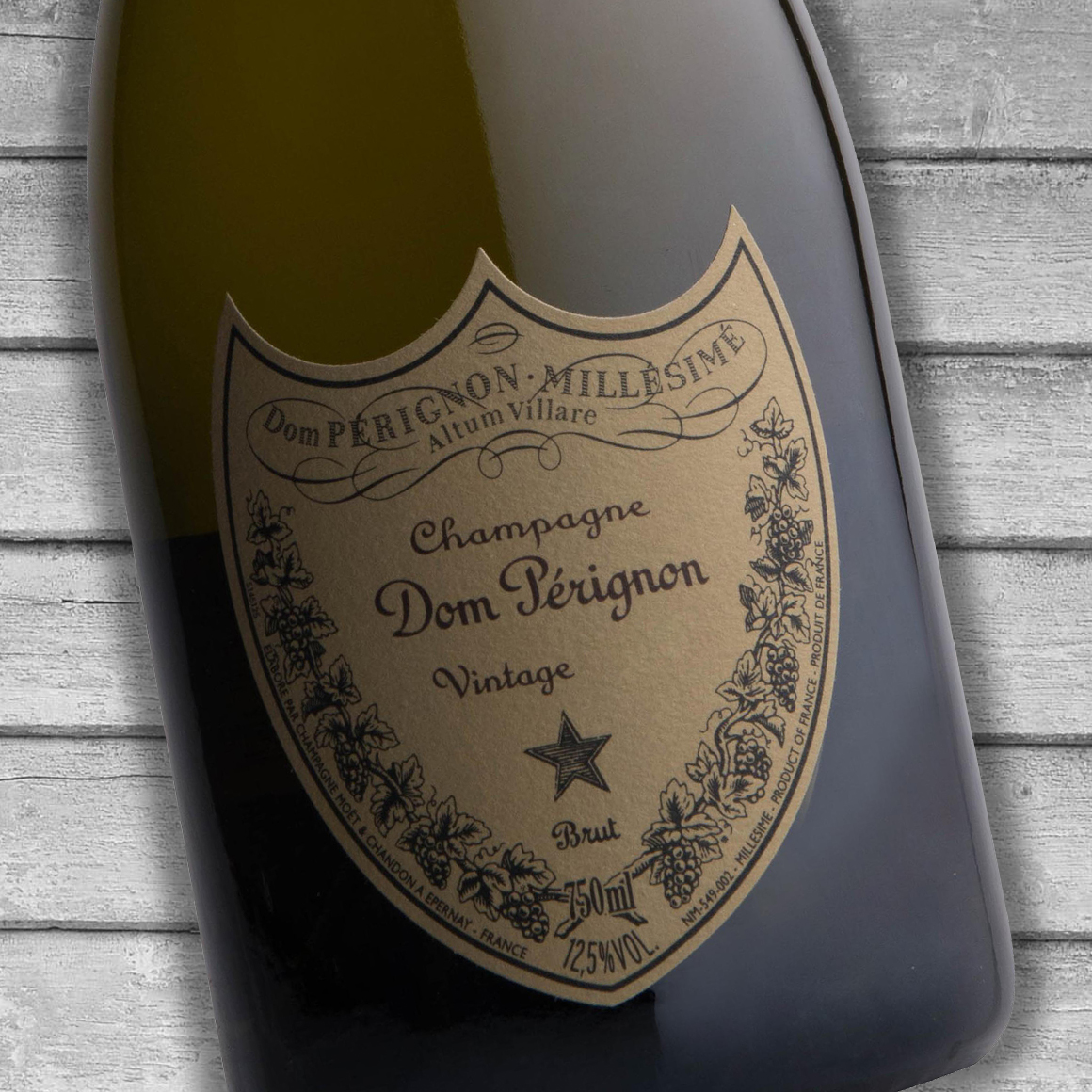
It also bore its equally recognisable shield-shaped label with vine shoots and grape bunches lining the sides.
The vintage was 1926, but they gave it no name as such.
They just called it “Champagne specially shipped for Simon Brothers & Co’s Centenary 1835–1935.”
Simon Brothers represented Moët & Chandon in London.
They sent a hamper containing two bottles of this special Champagne to 150 of its best customers.
When Moët’s American customers heard about this, they wanted some, too.
Moët duly obliged the following year, when they shipped 200 cases of the great 1921 vintage to New York.
These bottles, however, carried the Dom Pérignon brand, thus they officially launched Dom Pérignon in the USA in 1936.
Finally, you can find this Dom Pérignon 1975 price at Arden Fine Wines.
The Chefs de Caves of Dom Pérignon
Since its first vintage, Dom Pérignon has had seven chefs de caves (winemakers):
- Ernest Goubault (1921–36)
- Charles Goubault (1936–44)
- André Tournier (1944–49)
- René Philipponnat (1949–76)
- Dominique Foulon (1976–90)
- Richard Geoffroy (1990–2018)
- Vincent Chaperon (2019 to now)
Philipponnat was the first chef de cave to put his mark on Dom Pérignon.
This effectively made him the architect of this great Champagne.
Almost all of the vintages he produced were outstanding, with 1952, 1953, 1955, 1961, 1962, 1964, and 1966 the best of his best.
Dom Pérignon’s style emerged only when Philipponnat laid down the four pillars of its construction: vintage, origin, varietal profile, and extended yeast-ageing.