Description
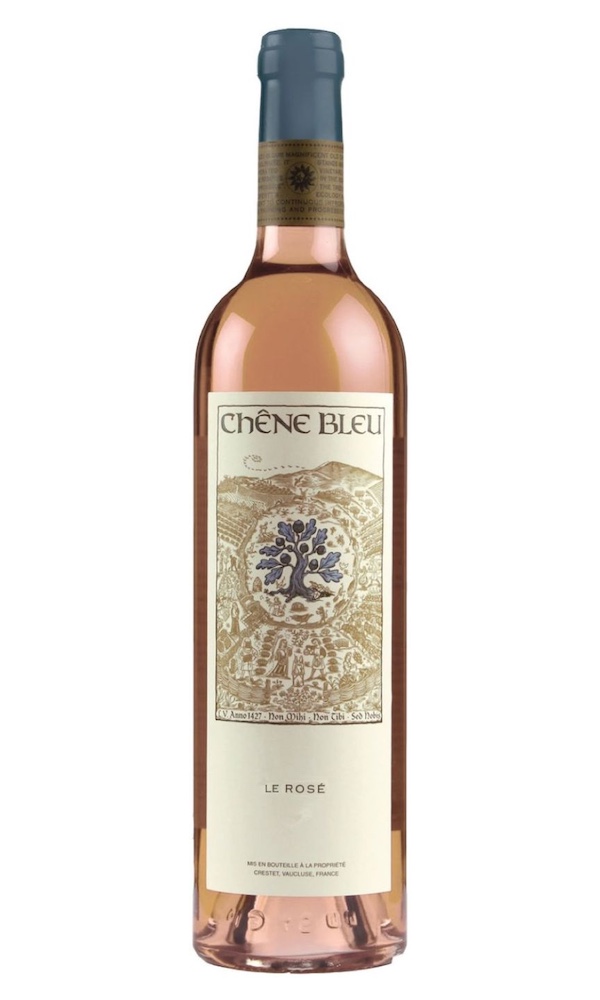
The award-winning Arden Fine Wines in London offers Chêne Bleu Le Rosé 2023.
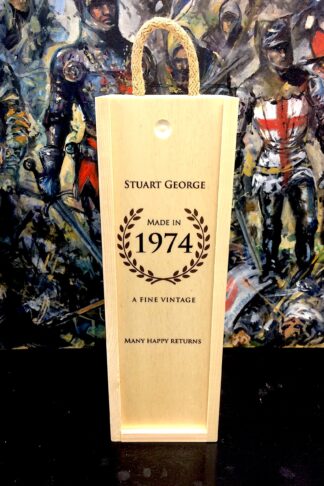
You can also order a customised gift box to make your purchase even more special.
We charge £15 for a safe and convenient delivery to any UK address.
Please allow us four working days for delivery in the UK.
Contact us here with any queries.
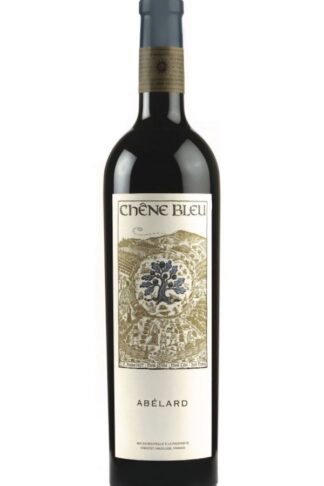
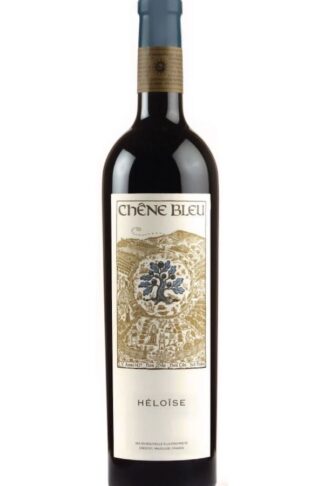
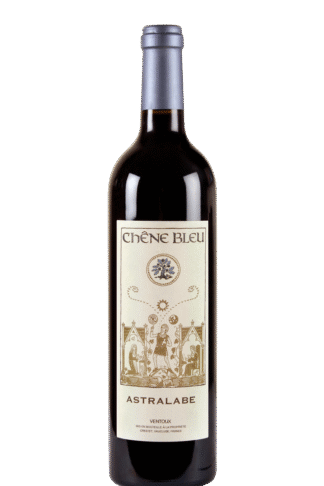
The SCEA Domaine de La Verrière named Chêne Bleu wines after the blue oak tree on the estate.
Furthermore, the Domaine has connected with wine since the Middle Ages.
At that time it served as a grape-growing dependency of the Abbaye of Prebayon.
In addition, in 1427, Aliot de Montvin received a license to blow glass there – hence its name of La Verrière.
Moreover, La Verrière sits at 550m (almost 1600 feet) above sea level.
This makes it one of the highest vineyards in the Vaucluse and in the South of France.
Finally, the unmistakable, jagged peaks of the limestone Dentelles dominate the rolling slopes, which face south to the Mont St-Amand and south-east to Mont Ventoux.
Chêne Bleu Le Rosé 2023
Chêne Bleu creates a Certified Organic wine (Ecocert).
Furthermore, Chêne Bleu avoids synthetic treatments to ensure the health of the vines and the soil.
The Chêne Bleu Le Rosé 2023 makers create it in a multi-step process that relies on skin contact – a short maceration, not the traditional saignée method – to give the wine its nice length and structure.
Its rich texture, welcome complexity, surprisingly long finish, and ageing capability indicate that it is a serious rosé.
Overall, it appeals to oenophiles and gastronomes, as well as sun-loving rosé consumers.
The clear salmon-pink colour features silvery highlights.
The expressive and delicate nose combines aromas of firm white fruit and floral hints.
On the palate, it balances roundness and freshness, with flavours of pomegranate, quince, and white blossoms.
Chêne Bleu Le Rosé 2023 is ideal with shellfish, lobster, salmon tataki, marinated fish, spring rolls, savoury mille feuilles and even desserts based on white chocolate and red fruit.
At times, if exposed to very cold temperatures, it can develop tartrate “crystals”, which are completely natural and harmless and do not affect the quality or the taste of the wine.